
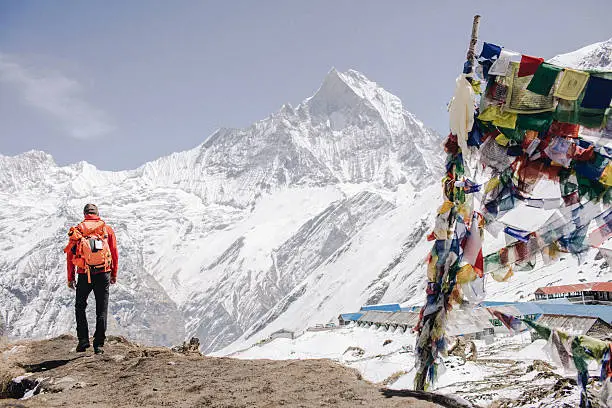
It’s important to restore your health fast once you have finished your Trek to Annapurna Base Camp, so your body and mind can recover from the demands of trekking in the high Himalayas. The trek challenges your endurance, strength, and getting used to the altitude, so a good recovery plan will get your energy up, lower that aching feeling , and keep you from injuring yourself on your way back to the land of the normal.
First, hydration is crucial. When you trek at high altitudes, the dry air leads to increased fluid loss due to respiration and sweat, and replacing fluids can help put your system back into equilibrium, not to mention help with muscle recovery. Consuming lots of water, electrolyte liquids, or herbal teas keeps people hydrated and replaces electrolytes lost during the walk. Do not ingest a lot of alcohol or caffeine because they can dehydrate you even more.
Nutritional support is also crucial to recovery. After the hike, opt for well-rounded meals high in protein, healthy fats, and complex carbs to repair muscles and rebuild glycogen stores. Also, add fresh fruits and vegetables as they contain antioxidants that fight inflammation and help protect your immune system. Small, frequent meals can help digestion, especially if your appetite has not quite kicked back in after days on the trail.
Physical and mental recuperation cannot be achieved without rest and sleep. Let your body recover through good quality sleep, which aids tissue repair and reinforces the mental learnings from your trip. Try to take rest for a couple of days after a trek to avoid overexertion and tiredness. A little stretching/ yoga can promote good blood flow and release muscle “knots” so that your flexibility improves without straining.
Taking care of soreness or minor injuries when they pop up will save you from long-term discomfort. It can help inflammation go down and heal more quickly if you alternate heating and cold compresses on painful muscles. If you had symptoms of altitude-related illnesses, allow your body to completely recover before participating in vigorous activities or traveling to a higher elevation.
So is mental recovery, not the physical one, and it is also necessary. Trek to Annapurna Base Camp is physically challenging but also mentally demanding, walking up and down, challenging patience, adapting, and enduring with continuously changing body behavior at a certain height. Give yourself time to process your emotions, either by journaling or speaking with other trekkers about your experience. Participating in calming pursuits such as meditation, getting in nature , or taking leisurely walks alleviates your residual stress and reenergizes your brain.
Gradual reintegration into daily life also helps in the recovery. Do not go straight into busy; focus on gentle activity, healthy foods, and being mindful to ensure you are healthy. If you can take a few days in a quiet place to let your body and mind catch up.
Finally, contemplate follow-up health checks if you suffered from significant altitude sickness or injuries. Visit a healthcare professional who will be able to give you the appropriate care and advice for full recovery. It is also useful to help identify any residual issues that need treatment.
So, to sum up, fast recovery after your Annapurna Base Camp Trek is a comprehensive thing; it’s a job of hydration, nutrition, sleep, injury, and brain management, and gradual re-introduction. Listening to these things can help healing happen faster, and help the memory and fruits of your Himalayan adventure remain with you, strong and healthy. Giving recovery top priority ensures that you’re good to go for your next adventure and daily life with fresh pep and vigor.
Why Post-Annapurna Base Camp Recovery is Necessary?
Recovery after the Annapurna Base Camp trek is very necessary because it puts a lot of stress on your body and mind. Trekking at high altitude is long hours of work that cause muscle fatigue, lack of oxygen, and harsh weather conditions that trigger dehydration and mental fatigue. Without adequate recovery, that soreness can become more severe, you’re more likely to develop an injury, and you’ll have a compromised immune system, leaving you more susceptible to getting sick. Recovery is what helps restore muscle tissues, refuel energy levels, and rebalance the hydration and nutrition in your body. Both physical and mental healing are also key, as the journey requires mental strength and focus. Post-partying forces you to slow down and space out those highs and slow you down long enough to think, feel the pain, and then go and recover and not burn out. Skipping recovery might set back your recovery time and impede your overall well-being. Focusing on recovery lays the groundwork for a healthier, more fuelled-up way of life after the trek and primes your body and mind ready for the next adventure.
How does treatment with Hydrate help you recover post the trek?
Hydration plays a big role in how quickly you will get back to yourself following the Annapurna Base Camp trek. You are going to be losing fluids while walking and moving as a result of sweating, the dry, cold air, and your breathing at high elevations, which can all contribute. Hydration: Rehydrating ourselves replaces lost fluids and helps the toxins to be flushed out when we work out. Water helps the body to repair and facilitate recovery in its cells by carrying essential nutrients to the muscles effectively. Optimal electrolyte levels are also important, as minerals such as sodium, potassium, and magnesium ensure proper muscle function and ward off cramps. Electrolyte-enhanced drinks such as sports drinks and coconut water can restore this balanceComcompst be added to the hole. Refraining from alcohol and caffeinated beverages for the first 24 hours after trekking minimizes further dehydration. Drinking it intermittently throughout your recovery days will help you to heal and limit feelings of fatigue, headaches, dizziness (and other side effects) that often result from dehydration. Hydration will also aid digestion and bolster the immune system, which may have been stressed after a heavy trek. In general, good hydration is one of the easiest things you can do to bounce back fast and feel refreshed.
What Nutrition Tactics Help You Recover on Trek?
Post ABC Trek Nutrition generously helps your body to recover quickly. Your muscles require protein to repair the damage caused by prolonged exertion after the trek is over. Eating lean meats, eggs, dairy, beans, or plant-based sources of protein helps make muscle repairs faster. Carbs are also crucial to restocking the glycogen stores that you drain on long walking days. Complex carbohydrates and basic vitamins, and minerals can be found in whole grains, fruit, and vegetables. Healthy fats in nuts, seeds, and fish are anti-inflammatory and overall good for all cells in the body. Foods high in antioxidants, such as berries, spinach, and turmeric, also assuage oxidative stress from physical activity and from exposure to altitude. Small and often, Tiny and often can work to your advantage because you may be ravenous after a bout of hard exercise. Awareness of portions and hydration with balanced meals helps digestion and energy use. Do not eat processed foods or foods high in fat, as these will burden your digestive system. Nourishing Nutrition promotes quicker healing, less muscle soreness, and prepares you to return to normal daily activities.
What Role Does Sleep Play In Recovery?
Sleep is the cornerstone of recovery from the Annapurna Base Camp trek. Good sleep fosters healing, allowing the body to restore itself and build up muscle tissues and modulate hormones controlling growth and stress. The body produces human growth hormone while we’re deep in sleep, and it plays a role in muscle recovery and fat metabolism. High-altitude trekking is known to interfere with sleeping patterns because of thinner air and reduced oxygen levels, so good recovery sleep after a day on the trail is particularly important. On top of all that, a good night’s sleep serves to solidify the memories and mentally and emotionally process the experiences you have had on the trek. Otherwise, sleep deprivation interferes with cognitive function, slows the healing process, and increases fatigue, all of which make it more difficult to bounce back. Making sure to get a solid 7-9 hours of high-quality, deep sleep in a cool, dark, and quiet room helps promote fast recovery. Having a no-screens in the bedroom policy, a regular sleep routine, and a relaxing bedtime routine also has a beneficial impact on sleep quality. A nap during the day is also helpful when readjusting post-trek. Above all else, your body and soul are reset to enjoy the rest of your Annapurna Base Camp trek to the fullest.
What Does Easy Exercise Offer the Recovering Trekkie?
Light exercise, such as walking, gentle stretching, or yoga, is perfect for post-trek recovery post-ABC. Rest is important, but if you stay inactive for too long, you may make the problem worse. Your muscles will get stiff, your blood will circulate less, and your muscles won’t repair themselves as quickly. Gentle movement increases blood flow and helps to deliver oxygen and nutrients to muscles, helping you recover more quickly and experience less soreness. It also helps to keep flexibility in muscles, prevent muscle clusters, and for relaxation. Yoga’s gentle movements and mindful breathing manage stress and boost well-being. But don’t engage in strenuous or high-impact workouts right after the trek; give your body time to recover. Better to concentrate on less intense activities like walking and stretches that promote movement without strain. Adding a light movement to your day turbocharges muscle recovery and diminishes inflammation, as well as helps restore joint mobility. It is beneficial for mental focus and emotional balance. By tuning in to your body’s signals during these moments, you help make sure you’re not pushing yourself too hard. Slowly resuming your activity as you recover helps get you safely back to the exercise you were in before.
How Does Controlling Inflammation Help Us Heal?
Annapurna Base Camp Hike Control your inflammation, so you can bounce back from a strenuous Annapurna Base Camp trek as fast as possible. Trekking taxes your muscles and joints, out of which come microscopic injuries that can lead to inflammation. While some inflammation is part of the body’s natural healing process, too much inflammation or swelling can slow the recovery process and lead to discomfort. To counter this, add anti-inflammatory foods, such as turmeric, ginger, berries, leafy greens, and nuts to your diet. Hydration also reduces inflammation. And finally, by getting some R&R with some gentle movement, we help prevent being rigid and move the fluids of the body, aiding in flushing out the inflammatory proteins. Sore muscles can be treated by applying ice packs or alternating with warm compresses to reduce swelling and pain. Don’t overdo it when you are recovering, overexertion can make the inflammation worse. Appropriate sleep and stress play an additional role in modulating inflammation and promoting tissue healing. If inflammation continues or you notice inflammation, consult a health professional. When you take control of inflammation, you are less sore and have a better recovery after the trek.
Why Is Mental Recovery Necessary After Annapurna Base Camp?
Recuperating mentally is of equal importance to physical rest after doing the Annapurna Base Camp trek. It requires mental toughness, and there will be altitude issues, fatigue, and sometimes loneliness. And when you come back, your brain may be fried from the intensity of it all. Reflecting on how you feel is a solid defense against burnout and the post-adventure blues. Journaling as a space for reflection and sharing your journey with friends and others on your trek allows for emotional healing and fosters positive memories. Mindful meditation can also lower stress and increase focus. Quiet time spent in nature or in activities you enjoy also promotes mental well-being. A holistic mental recovery will develop resilience, motivation, and an attitude of gratitude, which will make the adventure much more significant. Failing to address mental health can leave you with continued anxiety or fatigue. And so, taking care to tend to your mind as well as to your body helps to create that equally balanced wholism for recovery after this epic Himalayan journey.
Why is caring for your feet important when recovering afterwards?
After the Annapurna Base Camp trek, your feet are under great stress on difficult terrain and several miles each day, a nd it’s really important to take good care of them! Hiking regularly leads to blisters, swelling, and pain that don’t go away quickly. Wash feet well and dry them well after walking/bathing to avoid infections. Epsom salt and water soaking in a warm foot bath can reduce swelling and relax tired muscles. If the skin does become too dry, cracked, use moisturising creams, and if blisters occur, use an antiseptic ointment to help them heal. Recovery Days: Wearing comfortable, supportive shoes on your days off allows your feet to recover, so they are not under extreme stress. — Propping up your feet can also cut down on swelling and boost circulation. If you’ve had a foot injury or if you persistently experience foot pain, see your doctor to stop another toe or foot problem from developing. Keeping up with foot hygiene and care will speed healing and help you be ready for the next hike. Strong feet continue to sustain you, free of pain and misery, long after the trek has concluded.
How do you deal with Muscle Soreness?
Annapurna Base Camp Trekking Properly managing muscle soreness after the Annapurna Base Camp trek will help you feel more comfortable and aid recovery. DOMS is a natural effect of long effort and unfamiliar terrain. To relieve aches and pains, start with light stretches and gentle activities to encourage blood flow without stress. Use ice in the region of pain during the first 24-48 hours to decrease inflammation, and then return to heat, removing ice and improving blood flow, muscle relaxation. Massage, be it self-rubs or professional, aids in loosening up and gives you more flexibility. Remaining well-hydrated and eating foods that fight inflammation also encourage healing. OTC pain relievers may offer some relief, but should be used with caution. Rest is important, but don’t be immobile for long periods, as this can make stiffness worse. Slowly upping activity levels prevents muscles from recovering strength and stamina. Paying attention to what your body is telling you – and not pushing it – prevents injury. These dual actions also help to reduce pain and prepare your body for resuming usual activities in comfort.
How Does Support From Others Facilitate Your Recovery?
It’s all about the social support after you get back from the trek to Annapurna Base Camp. Talking through your experiences with friends, family, or other people who were on the trek with you will give you emotional support and will also give your brain time to make sense of some of the physical and mental trauma of the days gone by. Motivating talks that encourage you to stick with recovery routines, such as workouts, nutrition, and rest, are great. You can communicate with others who can relate to the trials of trekking and are less likely to feel isolated or suffer post-adventure blues. Group activities, from gentle walks to yoga classes, encourage physical recovery by building a sense of community. Emotional support is also a source of stress reduction: if stress hormones flood the body, healing is impeded. Type of trekking – highlights. Explanation: There are great online resources for advice and motivation from online trekking communities and forums. Whether they’re online or off, friends and family help keep your spirits up and your positivity high during the not-so-great times. And by surrounding yourself with a group of supportive people, the healing process ultimately gets enriched through you feeling more grounded and inspired.
How to recover after hiking fast?
Annapurna Trek Hydration, nutrition, rest , and light activity are all key to recovering quickly from such a hike. Following your hike, drink plenty of water and electrolyte-infused beverages to replenish what you lost through sweat. Consume balanced meals including protein, which repairs muscles, carbohydrates, which replace energy, and antioxidants, found in fruits and vegetables, which diminish inflammation. Rest is crucial—make it a priority to let your body rest and to sleep well so tissues have time to regenerate and so you can reduce fatigue. Some light stretching or easy walking the next day will keep the blood flowing and keep you from being stiff, but don’t try any intense activity. Ice packs to sore areas and a warm bath can help with muscle soreness. Listening to your body and easing back into activity will keep you injury-free and help along your recovery. Adding some mindfulness or relaxation techniques can also aid in reducing the mental fatigue aspect of healing, rounding out the recovery process after hiking.
How to Return from Everest Base Camp?
Returning from ABC Trekking (EBC) requires you to retrace your steps back to Lukla, where you catch a flight back to Kathmandu. The descent hike itself generally spans 2 to 3 days, giving your legs time to recover slowly. The descent is a long way down, so it’s essential to eat and drink enough to stave off fatigue. Once you’re at Lukla, you fly the short (if weather allows) hop back to Kathmandu. Unpredictable weather may make it worthwhile to have a little flexibility in your plans, and a few extra days in case of delays. Arrive in Kathmandu and take a rest in a cozy setting. Try light walking and mild stretching to help reduce muscle stiffness. Other divine touches include a massage or spa treatment to soothe sore muscles after the tough trek. Drinking plenty of water and having nutrient-rich meals can help you regain energy. Finally, reflect on the experience and make a plan to reintroduce physical activity in a phased way.
What Happens After the Everest Base Camp Trek in Nepal?
In the days after trekking in Nepal, it’s time to plan for recovery and re-acclimatization. Focus on hydration and balanced meals high in protein and vitamins, which help to repair muscles and keep your immune system robust. Get a good night’s sleep so that your body can recover from high altitude and a hard day of walking. Loosen and limber up by stretching or walking to increase circulation and flexibility. A hot bath or massage can help alleviate soreness and stiffness. Mentally, document your journey, journal, or share stories, to help flush out emotions to prevent the inevitable post-adventure blues. You should also get a medical check-up if you have had altitude sickness or injuries. Finally, ease into your regular exercise and routine so as not to shock your revitalized body. A layover of a few days visiting Nepal’s monuments at leisure may add great depth to your post-trek experience.
Activities After Everest Base Camp?
After the Annapurna Sanctuary Trek, give it primacy. Feast on Nutritious Meals and Don’t Skimp on WaterAfter you reach the heavens and chill for a while, it is of great importance to focus on recovering by drinking plenty of water and eating good-for-you meals to refuel to repair those muscles that became strained. Sleep and rest well to promote recovery, both physically and mentally. Before the stretch or yoga experts advise doing light stretching so that they are not stiff and to improve circulation. Try booking a professional massage to relieve any discomfort. If you suffered from symptoms of altitude sickness, add a few more days to your recovery and consult a doctor if necessary. And then process the trek by journaling or talking, he said, which can aid in the emotional recovery from it. When you return to Kathmandu or your home country after your trek, you can start with light exercises and slowly build them up. Do light activities such as walking to keep fit and help your body strengthen as it heals. Pause to indulge in the feeling of achievement and plan what your next challenge will be to maintain a sense of purpose and excitement after the trek.
