
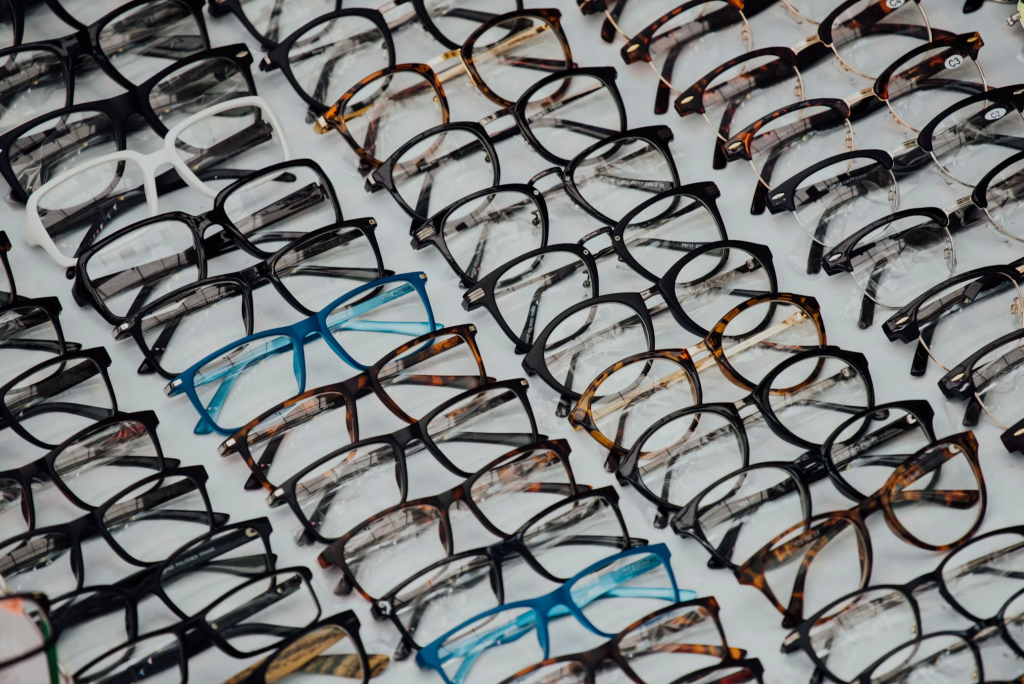
There is something oddly satisfying about finding a pair of glasses that simply work. The frames suit your face, they sit comfortably, and after a while they become part of your everyday routine. So when your prescription changes, it feels wasteful to retire them simply because the lenses are no longer right.
That is exactly why more people are choosing glasses reglazing instead of buying an entirely new pair. It is a practical, often more affordable option that allows you to keep the frames you already love while updating them with brand new prescription lenses.
If you’ve never had it done before, here’s how the process works.
What does reglazing actually mean?
Reglazing is the process of removing the existing lenses from your frames and replacing them with new prescription lenses.
Your original frames stay the same, but the lenses are made to match your latest prescription and any additional features you choose, such as anti-reflective coatings, blue light filtering or photochromic lenses that darken in sunlight.
Once complete, your glasses look familiar but perform like a brand-new pair.
Step one is making sure your frames are suitable
Not every frame is a good candidate for reglazing.
An experienced glazing service will first inspect your glasses for signs of wear or damage. Cracks around the bridge, stretched hinges or brittle plastic can all make replacement lenses risky because fitting them places pressure on the frame.
Frames that are structurally sound, however, can usually be reglazed regardless of their age or brand. Metal, acetate, titanium and many rimless designs can all be suitable when handled correctly.
If your frames have sentimental value or are part of a favourite collection, this initial assessment is particularly worthwhile.
You’ll need an up-to-date prescription
Before new lenses can be made, you’ll need a current prescription from your optician.
Most prescriptions remain valid for two years in the UK, although your optometrist may recommend more frequent eye tests depending on your age or eye health.
The prescription provides all the measurements required to manufacture lenses that match your vision accurately.
If your prescription has changed significantly, this is also an opportunity to discuss whether different lens materials or coatings would make your glasses lighter, thinner or more comfortable.
Your frames are carefully measured
Once your prescription has been received, your frames are measured in detail.
This is much more precise than simply copying the old lenses. Modern glazing equipment measures the exact shape and dimensions of each lens opening so replacements fit perfectly.
Additional measurements may also be taken to ensure your pupils align correctly with the optical centres of the new lenses. This is especially important for stronger prescriptions and varifocal lenses.
New lenses are manufactured
Your lenses are then produced specifically for your prescription.
Depending on your requirements, they may include:
- Thinner high-index materials
- Anti-scratch coatings
- Anti-reflective coatings
- UV protection
- Blue light filters
- Transition lenses that darken outdoors
The lenses are edged to match the exact shape of your frames before being fitted.
It is a surprisingly precise process. Even a fraction of a millimetre can affect both comfort and visual performance.
The lenses are fitted and checked
Once the lenses are ready, they’re carefully inserted into your existing frames.
Good reglazing services will carry out several quality checks before returning the glasses, including verifying the prescription, ensuring the lenses sit securely and confirming the frames remain correctly aligned.
Many providers will also adjust the fit if necessary so your glasses feel comfortable straight away.
Is reglazing worth it?
For many people, absolutely.
Quality frames often last far longer than the prescription inside them. If your frames remain in excellent condition, replacing only the lenses can be significantly more economical than purchasing an entirely new pair.
It is also a more sustainable choice. Keeping a perfectly usable frame in circulation reduces waste and extends the life of products that have already been manufactured.
That makes reglazing appealing for anyone trying to make more environmentally conscious purchasing decisions without compromising on vision.
Choosing the right service
The quality of the finished glasses depends largely on the expertise of the glazing service.
Look for providers that carefully inspect frames before accepting them, use high-quality prescription lenses and explain exactly what happens if your frames are found to be unsuitable.
Many specialist providers also offer postal services, allowing you to send your existing frames away safely before receiving them back fitted with brand-new lenses.
A simple way to keep the glasses you already love
Finding frames that genuinely suit you isn’t always easy. When you already have a pair that feels comfortable and looks right, replacing only the lenses often makes far more sense than starting from scratch.
Reglazing combines practicality, value and sustainability in one straightforward service. Rather than replacing something that still has years of life left, you simply give your favourite glasses the clear vision they deserve.
